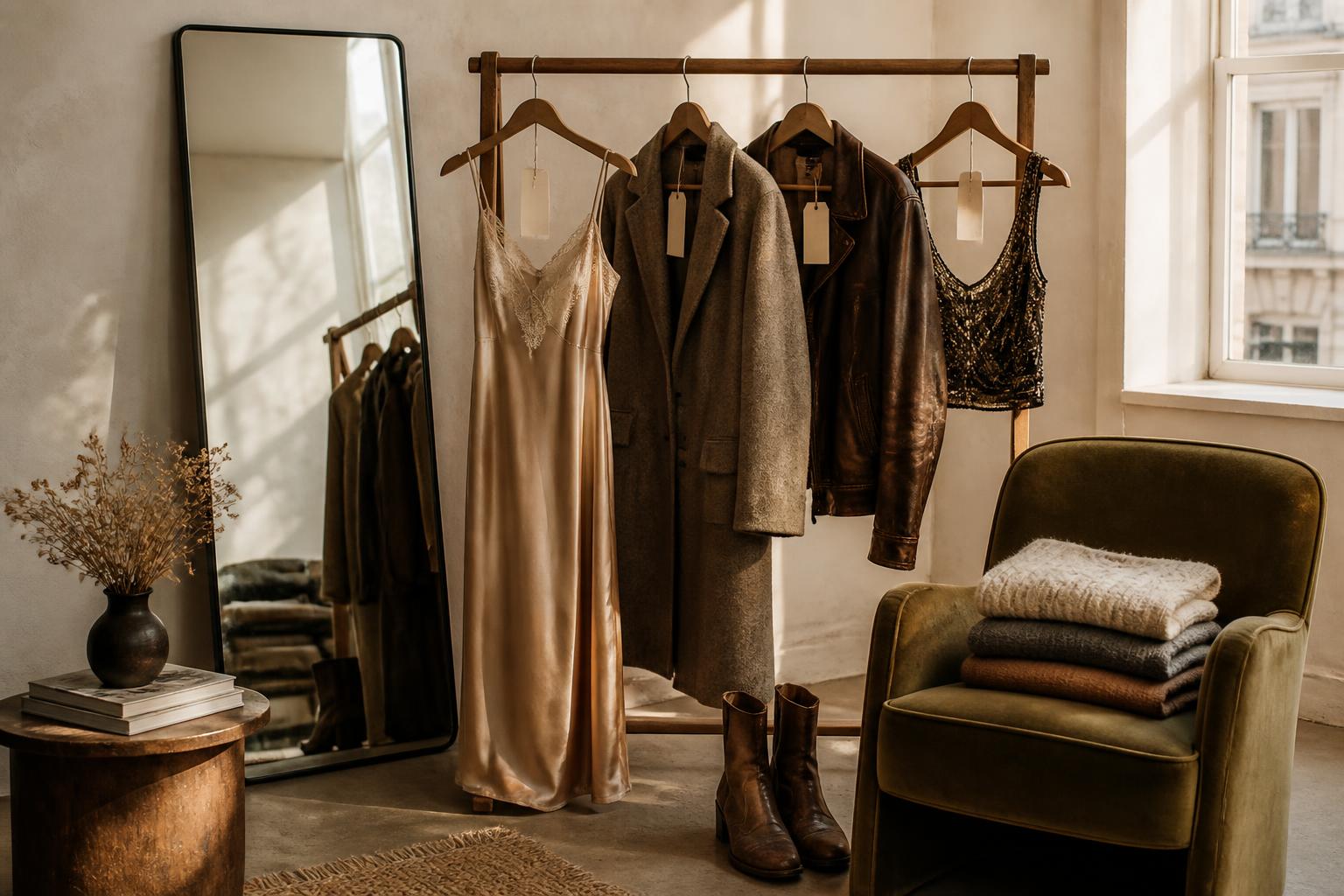
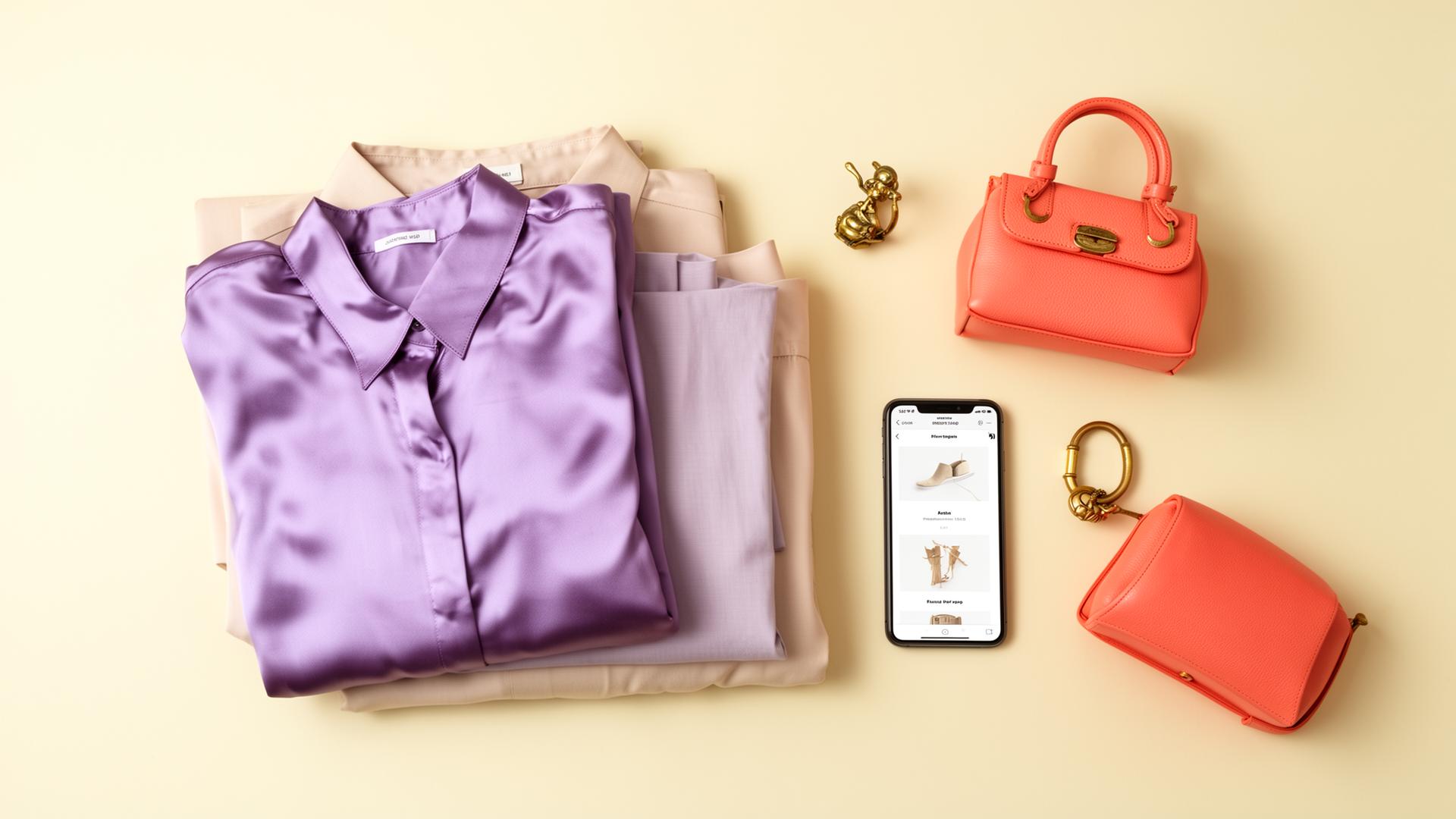
Creators do not sell clothes the same way regular sellers do.
A regular seller lists an item because they want to clean out their closet. A creator lists an item because their audience already saw it, asked about it, saved it, commented on it, or connected it to a specific post, trip, outfit, campaign, or story.
A creator closet is not just a resale page. It is a shoppable extension of a creator's content, style, audience, and personal brand.
For creators, influencers, microcreators, stylists, UGC creators, and social-first sellers, a creator closet can turn lightly used pieces, gifted products, content-featured outfits, brand collaboration items, and closet cleanout pieces into a trackable commerce channel.
ThredUp's 2026 resale report projects the global secondhand apparel market to reach $393 billion by 2030, while recent reporting notes that social media and creator-led discovery are becoming increasingly important to secondhand fashion. Creators already influence what people want to wear. A creator closet gives followers a way to shop the pieces behind that influence.
What is a creator closet?
A creator closet is a shoppable online storefront where a creator sells items connected to their personal wardrobe, content, style, or brand collaborations.
- Clothes worn in posts, Reels, TikToks, videos, or photoshoots
- Gifted products from brands
- Lightly used pieces
- New-with-tags items
- Accessories, shoes, bags, and lifestyle products
- Seasonal closet cleanout items
- Brand collaboration items and PR samples
- Pieces from previous content drops
A creator closet is different from a generic resale listing because the item has context. On a normal marketplace a buyer sees: Black blazer, size small, lightly worn. Inside a creator closet that same item becomes: The black oversized blazer I wore in my Paris outfit Reel — lightly worn, easy to style, now available from my closet.
Story, trust, style inspiration, and creator connection — that is what a creator closet adds.
Creator closet vs regular closet sale
| Feature | Regular Closet Sale | Creator Closet |
|---|---|---|
| Main goal | Sell unused clothes | Turn content and style into commerce |
| Audience | General buyers | Followers and fans |
| Product value | Condition, brand, price | Story, creator connection, demand, condition |
| Promotion | Marketplace search | Instagram, TikTok, Stories, link in bio |
| Trust | Platform reviews | Creator identity and audience relationship |
| Repeat behavior | Occasional cleanout | Recurring drops and content cycles |
| Best use case | Decluttering | Creator-led social resale |
A creator closet does not need to compete directly with broad resale marketplaces. It works because creators already have a demand channel: their audience. Loovly is built around that behavior.
Why creator closets are growing
Followers already ask: Where did you get that dress? Are you selling that outfit? What size is that? Will you do a closet sale? Many creators already answer those questions manually through Stories, comments, DMs, link-in-bio tools, spreadsheets, and payment apps. That proves the behavior exists.
Manual closet sales are hard to manage: too many DMs, double-claimed items, lost buyer details, no clean product pages, no organized closet link, no way to track which post or Story drove interest, no proof to show brands. A creator closet solves that by giving every item a proper product page, every creator a public closet link, and every promotion a trackable path.
A creator does not need millions of followers to sell a few strong pieces. A smaller audience with real trust can be more valuable than a larger audience with low intent.
Who should start a creator closet?
- Fashion, lifestyle, travel, and beauty creators
- Models, stylists, and personal shoppers
- UGC creators and microcreators
- Brand ambassadors and pageant creators
- Boutique owners with personal style content
- Anyone whose audience asks about their outfits
The best creator closet users have one thing in common: their followers already care about their taste. That taste is the asset. Loovly turns that taste into a storefront.
What creators can sell in a creator closet
Content-featured pieces
Items worn in posts, Reels, TikToks, photoshoots, campaigns, or events. These pieces often perform well because followers have already seen them styled.
Gifted products
Not every gifted item becomes a long-term personal piece. A creator closet gives those products a second life, as long as the creator follows any brand agreement, disclosure rules, and platform requirements. Loovly should never imply that a product is sponsored or gifted unless the creator marks it that way.
Lightly used personal pieces
Clean basics, seasonal pieces, shoes, bags, accessories, new-with-tags items, and closet cleanout pieces work well when photographed clearly and priced fairly.
Brand collaboration items
When appropriate, a creator closet can show brands that the creator's audience does more than watch content — they take action.
Why Instagram DMs are not enough
Instagram is where a lot of creator closet demand starts. But Instagram DMs are not a complete closet sale system. Creators using only Instagram have to manage story replies, comments, DMs, screenshots, manual claims, payment links, shipping details, follow-up messages, sold/reserved updates.
Instead of saying DM me if you want anything, a creator can say: My closet drop is live. Browse available pieces and submit interest through the link in bio. That is cleaner for the creator and easier for the follower. For a deeper comparison across platforms, see our guide to the best closet sale apps.
How a creator closet works
Step 1: Choose pieces with real audience fit
Prioritize items followers have already asked about, pieces worn in high-performing content, good-condition clothing, recognizable brands, items with clear photos, and pieces with a story. Avoid heavily damaged, confusing, or hard-to-describe items.
Step 2: Create clean product listings
Every listing should include title, brand, size, condition, price, fit notes, measurements if useful, product story, clear photos, any flaws, and shipping notes if relevant. The story is what makes a creator closet different: 'Pink mini dress worn once for a beach shoot' beats 'Pink dress, size S.'
Step 3: Publish the closet and share the link
Put the closet link in your Instagram bio, Stories, highlights, TikTok bio, YouTube description, newsletter, WhatsApp group, or link-in-bio page.
Step 4: Promote the drop
Treat closet drops like content launches: Sunday closet drop, vacation wardrobe sale, gifted product cleanout, spring closet refresh, content-worn pieces drop.
Step 5: Capture buyer interest
In Loovly's current beta-safe flow, buyer interest is the key action. Followers view the item, submit interest, and the creator follows up. This shows real demand and helps creators understand which products, styles, and channels are working.
Step 6: Follow up and manage status
Confirm availability, answer questions, mark items reserved or sold, share next steps, invite buyers to follow the closet, promote the next drop. One closet sale becomes a repeatable system.
How microcreators can use a creator closet
Microcreators may have fewer followers, but they often have stronger trust. A microcreator can start with five strong pieces, one drop, one link in bio, three Story posts, and one buyer-interest follow-up flow. The advantage is focus.
A creator closet also gives microcreators proof to show brands: followers clicked, followers submitted interest, certain brands or styles performed better. That proof can support future collaborations.
How creators can promote a closet sale
The best promotion channels are usually the creator's existing channels — Instagram Stories with the native Link Sticker, the bio link, short TikTok videos (closet cleanout, try-on, 'pieces I'm letting go'), WhatsApp broadcasts, and email or newsletter announcements for higher-intent followers.
Loovly does not need Instagram login, does not request Instagram credentials, and does not auto-post. The creator manually shares inside Instagram.
What makes a good creator closet listing?
Strong: White linen mini dress from my beach shoot in Tulum. Worn once, size S, relaxed fit. No visible flaws. Lightweight, easy to style for vacation, brunch, or summer content.
Weak: White dress. Used.
The strong listing includes color, material, use case, story, condition, size, fit, and style context. For creators, the listing should answer both 'What is the item?' and 'Why does it matter?'
How creators should price closet items
The creator connection adds value, but buyers still compare brand, condition, original price, current demand, rarity, fit, shipping cost, and seasonality.
- New with tags: closer to retail, still discounted
- Lightly worn: meaningfully below retail
- Content-featured: condition plus story value
- Gifted items: price carefully and disclose if needed
- Fast-moving cleanout: price to sell
Avoid fake scarcity, inflated original prices, or unclear condition notes. Trust is worth more than squeezing a few extra dollars out of one item.
Creator closet drops: why drops beat random listings
A drop turns listings into an event. Instead of randomly adding one item at a time, announce 'my vacation closet drop' or 'my gifted product cleanout.' Drops create structure and give followers a reason to check the closet now.
| Week | Drop Theme |
|---|---|
| Week 1 | Content-worn favorites |
| Week 2 | Vacation pieces |
| Week 3 | Gifted items |
| Week 4 | Accessories and bags |
How creator closets help brands
A creator closet helps creators prove demand to brands through product views, buyer interest, saves, closet follows, affiliate link clicks, creator code copies, source-tagged traffic, drop performance, and media kit metrics. This does not replace campaign reporting, but it gives creators a stronger proof layer than screenshots and vanity metrics alone.
Creator closets and sustainability
A creator closet can support more sustainable fashion behavior when it gives existing products a second life. UNEP reports that 92 million tonnes of textile waste are produced globally every year, while clothing production doubled from 2000 to 2015 and garment use decreased by 36%.
A creator closet does not solve fashion waste by itself, but it can help when it keeps clothing in use longer, helps followers buy secondhand instead of new, gives gifted products a second life, and encourages more intentional consumption.
Loved once. Shared again.
Why Loovly is built for creator closets
Loovly is designed for creator-native closet commerce. It starts from the creator's actual behavior: Content → listing → promotion → buyer interest → follow-up → brand proof → repeat drops.
- Open a public closet storefront
- List content-featured pieces and create products from content
- Share product and closet links
- Run closet drops and capture buyer interest
- Manage reserved and sold items
- Track source-tagged promotion
- Build media kit proof and support brand collaboration workflows
Loovly is not trying to be a generic resale marketplace. It is built for creators who already generate demand and need a better way to organize it.
Common creator closet mistakes
- Treating the closet like a random resale page instead of part of the creator's brand
- Relying only on DMs with no product pages or tracking
- Overpricing every item just because of the creator connection
- Hiding condition details or flaws
- Not promoting the closet through Stories, bio, TikTok, and drops
- Not following up fast while buyer interest is still hot
Simple creator closet launch plan
- Pick 5–10 clean, wearable, stylish pieces
- Take clear photos in natural light — front, back, label, details, flaws
- Write story-based descriptions tied to content, styling, or trips
- Publish the closet and add the link in bio
- Announce the drop in Stories with direct language
- Respond to interested buyers quickly and update status
- Track what got views, saves, interest, or clicks
- Repeat with another themed drop using what you learned
Turn this guide into your next drop.
Frequently asked questions
What is a creator closet?⌄
A creator closet is a shoppable online closet where a creator sells items from their wardrobe, content, brand collaborations, or personal style. It can include lightly used clothes, gifted products, content-featured outfits, and limited closet drops.
How do influencers sell clothes online?⌄
Influencers often sell clothes through Instagram Stories, DMs, resale apps, or personal storefronts. A creator-native platform like Loovly gives influencers a cleaner way to list products, share a closet link, capture buyer interest, and track demand.
What is the difference between a creator closet and a closet sale?⌄
A closet sale is usually a general wardrobe cleanout. A creator closet is connected to a creator's content, audience, style, and personal brand. It can turn social demand into organized product listings and repeat drops.
Can microcreators start a creator closet?⌄
Yes. Microcreators can use a creator closet to sell pieces to a smaller but more engaged audience. A creator does not need millions of followers if their audience trusts their taste and style.
Is a creator closet sustainable?⌄
A creator closet can support sustainability when it gives existing items a second life and helps followers buy secondhand instead of new. The strongest claim is that it extends the use of pieces already in circulation.
Does Loovly auto-post to Instagram?⌄
No. Loovly does not auto-post, request Instagram credentials, or use bots. Creators manually share their closet or product links through Instagram, TikTok, WhatsApp, or other channels.
Ready to host your own closet sale?
Set up your free Loovly closet in minutes — one link, real measurements, and a checkout your audience can actually use.