Sometime in the last two years, the closet sale stopped being a quiet weekend habit and became one of the loudest formats in fashion. Lines around the block for a vintage market in New York. A celebrity rail selling out in an afternoon. A creator with 8,000 followers running a waiting list for a single denim jacket. None of this is a fad. It's a signal about what shoppers actually want in 2026 — and almost every brand and platform is reading it slowly.
This piece is about what the closet sale craze is really saying: about curation, scarcity, taste, trust, and why personality is becoming a more powerful product attribute than the brand label sewn into the back of the collar. It is also a practical guide, because the people seeing this clearly first — creators with closets — are the ones quietly capturing the new demand.
Turn this guide into your next drop.
What is actually happening
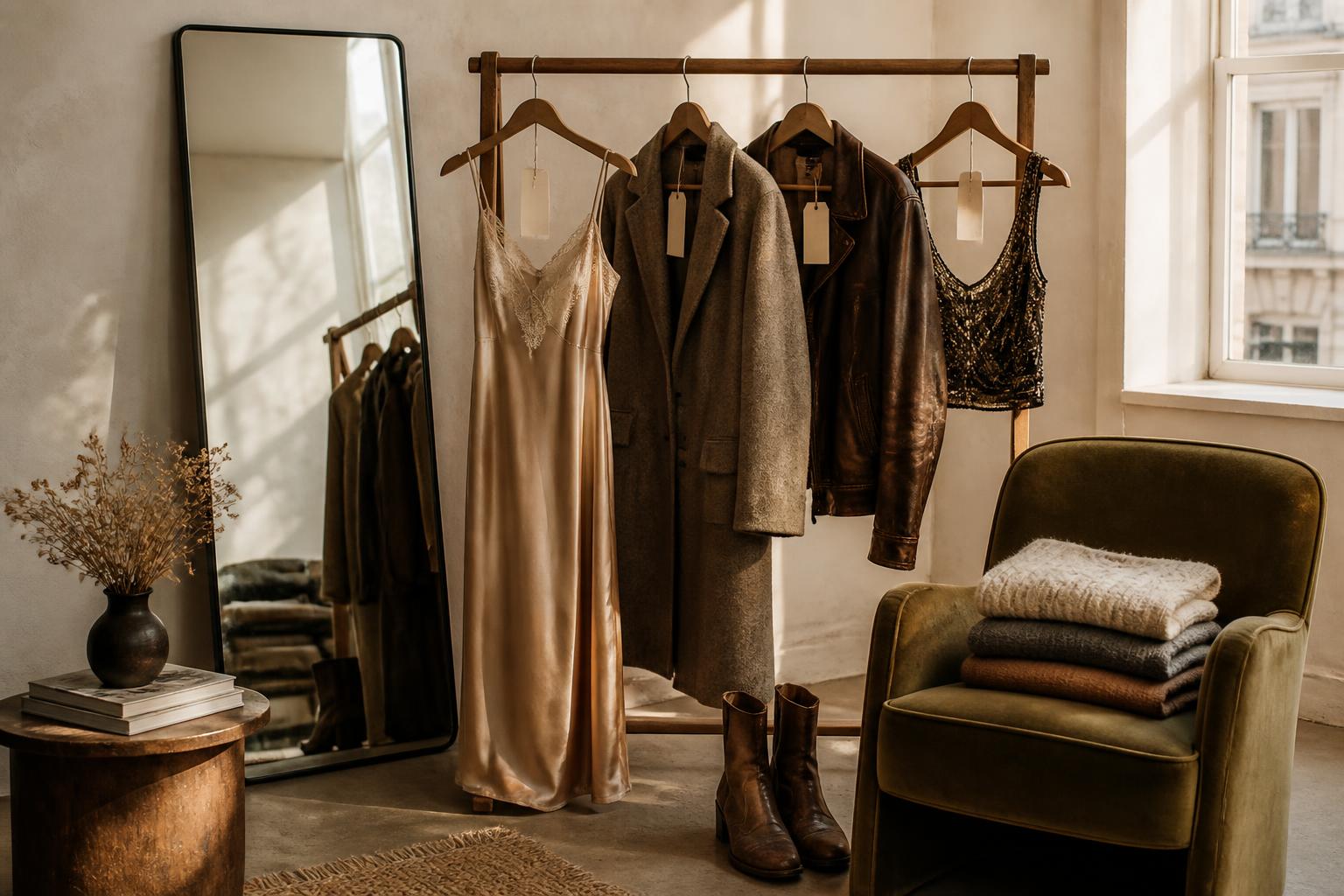
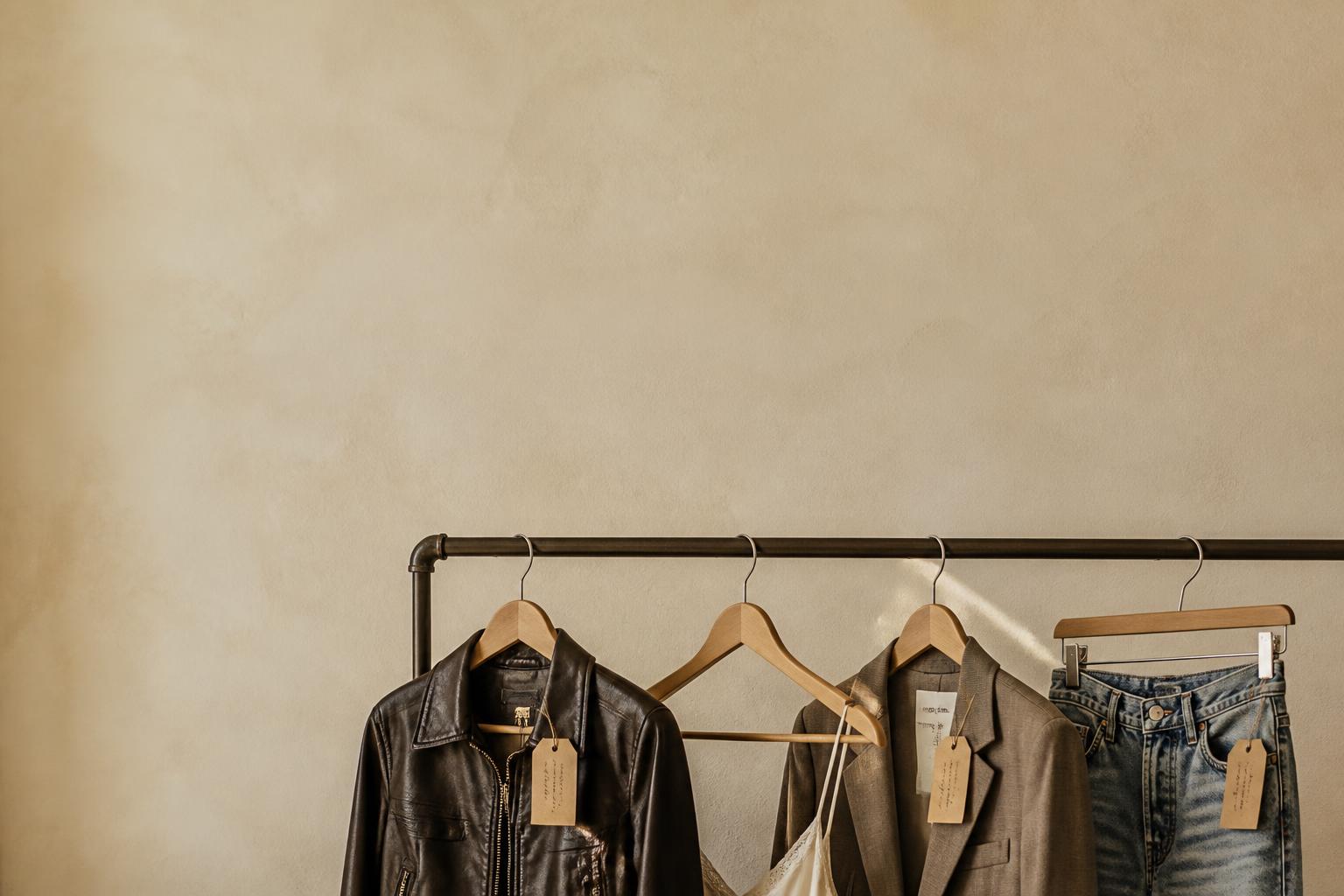
Closet sales used to be private. A friend invites a few people over, a rail goes up in the kitchen, prices are written on paper. The format has not changed. The audience has. Now the rail is a livestream, the tags are listings, the closet is a creator's public profile, and the buyers are followers who already feel a personal connection to the seller.
Around that small format, a much bigger one has appeared. Curated vintage markets sell out tickets in minutes. Celebrity wardrobe sales — from actors clearing archive pieces to musicians editing tour wardrobes — pull queues normally reserved for streetwear drops. Platforms built for one-to-many resale are growing faster than the brand-owned resale programmes built next to them. The closet sale is no longer the smallest format in fashion. In many cities, it's the most attended one.
What the craze actually says about shopping
Strip away the headlines and there are five quiet shifts driving the closet sale moment. Each one says something about what mass retail stopped delivering.
1. Curation has more value than catalogue
Endless scroll has been the default shopping experience for a decade and the fatigue is now visible in the data. A tight rail of 30 pieces curated by one person consistently outperforms a feed of 30,000 pieces filtered by an algorithm. Shoppers in 2026 are paying — in time and money — for someone else to have already edited.
2. Personality is the new brand attribute
A jacket that lived in someone's closet has a story the same jacket on a shelf doesn't. Buyers want the provenance. Who wore it, where, why it's leaving. That's why a creator's closet sale converts: every piece comes with the part fast fashion strips out.
3. Scarcity beats discount
Permanent discounts have devalued the idea of a sale price. Scarcity restored it. "One left", "runs from Friday", "already requested by three buyers" is the new urgency, and it's honest urgency — not a fake countdown timer.
3.5 Trust travels with people, not logos
Trust in brand marketing keeps falling. Trust in a person whose taste a follower has watched evolve over years is rising. That trust transfers to whatever that person sells, including their own clothes.
4. Uniqueness is the new luxury
Mass production made identical clothes available everywhere, which made owning the same item less interesting. Vintage, archive, gifted samples and creator-edited pieces are scarce by definition. That scarcity is doing what mid-luxury brand campaigns used to do.
5. Buyers want to participate, not just purchase
Following a closet, saving a piece, requesting it before it drops, getting a drop alert when it lands — these are participatory actions. The closet sale format makes shopping feel social again, in a way a checkout button never does.
Why celebrities and grassroots creators are doing the same thing
It is no coincidence that an A-list closet sale and a 5,000-follower creator drop look, structurally, identical. Both rely on a known personality, a small curated set of pieces, a clear window of time and a sense that this batch is finite. The mechanics travel up and down the audience scale because what drives them — taste, scarcity, story — is the same at every size.
The difference is reach, not method. A celebrity sale moves through press; a creator drop moves through Stories and group chats. Both work because they are the opposite of an infinite shelf.
Why now: the conditions that built the craze
The trend did not appear out of nowhere. Three things had to line up.
- A generation that buys secondhand without apology and treats resale as a default, not a fallback.
- A creator economy mature enough that the most-watched wardrobes in the world belong to individuals, not magazines.
- Tooling that finally lets one person run their own closet without a Shopify build, a warehouse or a brand deal — listings, links, follows, drops, analytics, payments.
Take any one of those out and the craze doesn't happen at this scale. Together, they are why a closet sale in 2026 can compete for attention with a brand campaign that cost a thousand times more.
What brands and retailers should read into this
The closet sale craze is not a threat to brands. It's a customer behaviour brands can either learn from or keep losing share to. A few of the more honest lessons:
- Smaller, curated drops outperform sprawling seasonal collections in attention and sell-through.
- Provenance — who chose this, who wore it, where it has been — is a feature, not a footnote.
- Resale and primary retail are converging. Buyers don't experience them as separate categories anymore.
- Creators with credible closets are a sharper signal of demand than focus groups or trend reports.
- A brand collaboration with a creator's closet (capsule, archive, or co-curated drop) often outperforms a generic gifting deal.
What creators with closets should actually do
If the craze is real and structural, the practical question is what to do about it. Not as theory — as the next thing to do this weekend.
- Treat the closet as an editorial project, not a clear-out. Edit ruthlessly: 25–40 strong pieces sell better than 200 mid ones.
- Photograph in one session, one background, one light. Consistency is what turns 30 pieces into a collection.
- Write every listing like a real product: brand, size, measurements, condition, era, why it's leaving.
- Run drops in defined windows. "Open Friday 7pm, closes Sunday" creates the honest scarcity the craze runs on.
- Collect interest before you ship. Saves, follows and requests are real demand data.
- Tell the next drop to the same buyers, not a fresh audience. Closet sales compound — single sales don't.
Turn this guide into your next drop.
How Loovly fits into the closet sale moment
Most of the craze is being run on tools that were never built for it: a Stories link, a spreadsheet, a DM inbox, a payment app. That works for one drop. It does not work for the second, the third, the tenth. Loovly is built for the format the craze invented.
- One clean creator closet link for bio, Stories, TikTok and WhatsApp.
- AI-assisted listing drafts from your photos — title, description, category and size hint per piece.
- A public creator closet with real product listings, not screenshots.
- Save, follow, request and share actions on every piece — real buyer interest, not buried DMs.
- Shareable product and closet links that travel across every platform.
- Drop alerts so the next drop starts with the audience the last one earned.
- Creator analytics and demand signals you can use for the next edit or a brand pitch.
- A referral loop that turns existing buyers into the closet's best marketing channel.
- External payment links for eligible Creator Business users — handled outside Loovly, between the creator and the buyer.
A note on external payments: when an external payment link is used, the payment itself happens off Loovly, between the creator and the buyer. Loovly organises the listing, the link, the interest and the closet — it does not protect off-platform payments. Decide refund and dispute terms with the buyer up front.
Where this goes next
The closet sale craze is the early form of a bigger shift: shopping organised around people instead of catalogues. The next five years of retail belong to whoever takes that seriously — the creators who treat their closet as a recurring publication, the brands that learn to collaborate with those creators instead of around them, and the platforms that build for one-to-many resale instead of bolting it onto a checkout.
The rail in the kitchen never went away. It just got a public link.
Turn this guide into your next drop.
Frequently asked questions
Why are closet sales suddenly everywhere?⌄
Three things lined up: a generation that buys secondhand by default, a creator economy where individual wardrobes are more watched than magazines, and tooling that finally lets one person run their own closet end to end. Together they made a private format scalable.
Is the closet sale craze just a trend?⌄
The format will keep evolving, but the underlying shifts — curation over catalogue, personality over logo, scarcity over discount, participation over checkout — are structural. Closet sales are an early expression of how shopping is reorganising around people.
Do I need to be famous to run a closet sale that works?⌄
No. The structure is what works, not the audience size. A small, engaged following with a real link, honest pricing and a defined drop window often outperforms a much larger audience selling from DMs.
How is a creator closet sale different from a generic resale app?⌄
A resale app puts a piece in a feed competing with millions of others. A creator closet keeps everything on one page, attached to one person's taste and story. That curation is the entire point.
What should brands take from the closet sale craze?⌄
Smaller curated drops, real provenance, and collaborations with credible creator closets consistently outperform generic seasonal pushes. Resale and primary retail are converging — buyers don't separate them anymore.
How do payments work on Loovly?⌄
Creators can list and share for free. Eligible Creator Business users can attach external payment links to listings. Those payments are handled outside Loovly, between the creator and the buyer, and Loovly does not protect off-platform payments. See the pricing page for current details.
Is Loovly free?⌄
Yes — you can open a Loovly closet for free and list pieces without a subscription. Paid plans unlock additional creator tools.
Ready to host your own closet sale?
Set up your free Loovly closet in minutes — one link, real measurements, and a checkout your audience can actually use.