
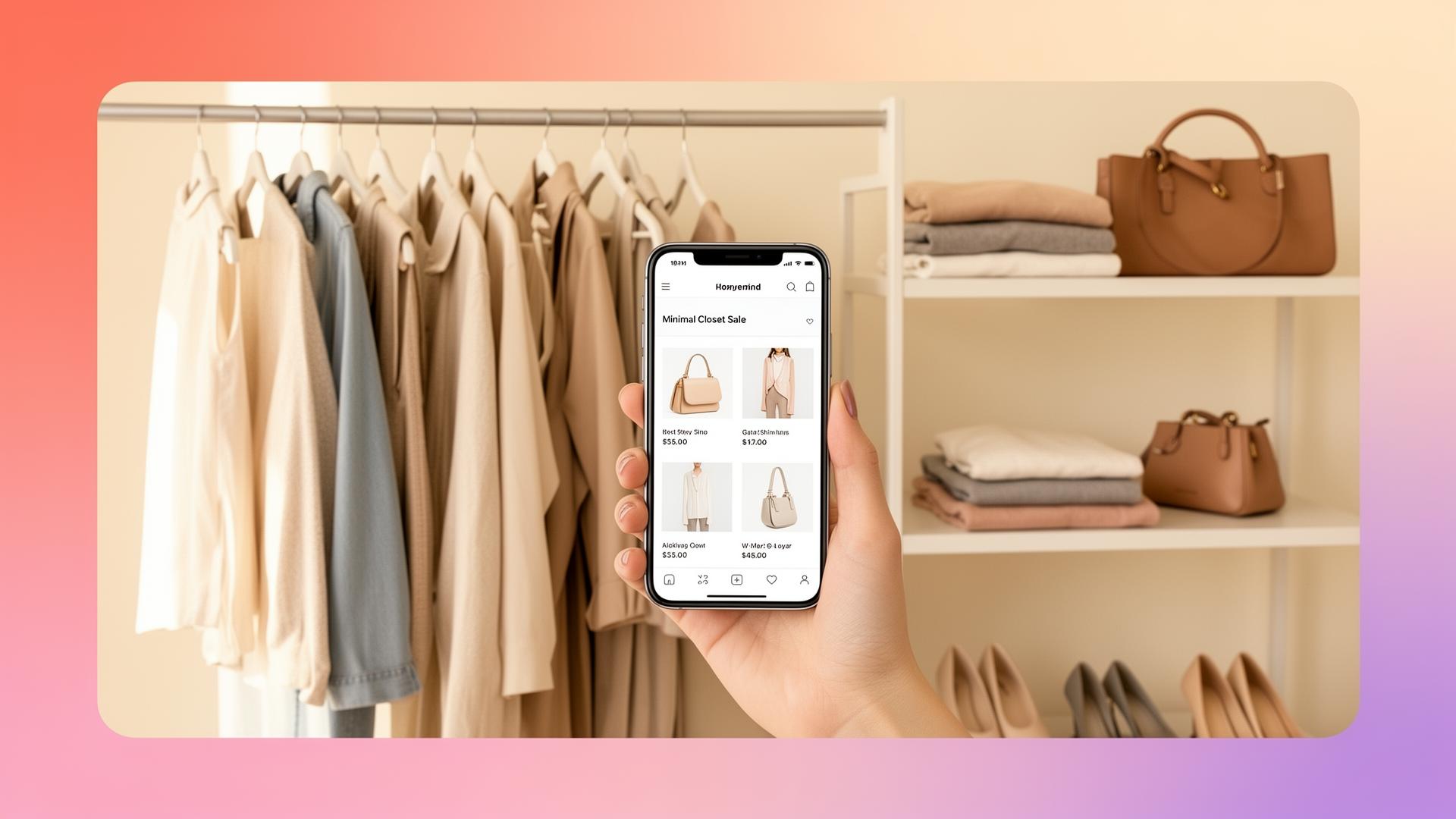
A closet sale is no longer just a weekend clear-out or a pile of clothes posted randomly on social media. In 2026, the best closet sales are organized, visual, searchable, mobile-friendly, and easy to share. Whether you call it a closet cleanout, closet clean out, closet clear out, closet refresh, closet makeover, wardrobe sale, or “shop my closet” drop, the goal is the same: turn pieces you already own into a clean shopping experience people can browse, save, and request.
For creators, influencers, stylists, students, sellers, and anyone with a wardrobe full of lightly used, gifted, story-worn, or content-featured pieces, a closet sale can do more than declutter. It can help you understand what people want, build trust with followers, create repeat demand, and give your clothes a second life.
This guide breaks down how to run a closet sale from start to finish: what to sell, how to price, how to photograph your items, where to promote, how to manage buyer interest, and how to make your closet sale feel professional without overcomplicating it.
What Is a Closet Sale?
A closet sale is a way to sell, give away, or rehome items from your personal wardrobe. Traditionally, this might have meant inviting friends over, posting a few photos on Instagram Stories, or listing items one by one on resale marketplaces.
Today, a closet sale can be much more structured. A modern online closet sale usually includes:
- A public closet link
- Product photos
- Item titles and descriptions
- Prices or giveaway details
- Size, condition, brand, and shipping notes
- A way for buyers to save, follow, or request items
- Social sharing through Instagram, TikTok, WhatsApp, DMs, or link-in-bio
The best closet sales feel simple for the seller and trustworthy for the buyer. People should immediately understand what is available, what condition each item is in, and how to express interest.
Closet Sale vs. Closet Cleanout vs. Closet Refresh
People use different phrases when searching for this idea. Each phrase has a slightly different intent.
- A closet sale usually means the person is ready to sell items.
- A closet cleanout or closet clean out usually means the person is sorting through clothes and deciding what to keep, donate, sell, or give away.
- A closet clear out often means a faster, more urgent version of a cleanout.
- A closet refresh usually means the person wants to update their wardrobe, remove what no longer fits, and make space for pieces they actually wear.
- A closet makeover is more lifestyle-oriented. It can include organizing, styling, editing, selling, and rebuilding the closet around a better personal style.
- A closet finds page or post is more buyer-focused. It highlights interesting pieces, curated items, or secondhand gems people can browse.
For Loovly, the strongest version is a combination of all of these: clean out your closet, list your best pieces, share one link, and let followers browse or request what they want.
Step 1: Decide What Kind of Closet Sale You’re Running
Before uploading anything, decide what type of closet sale makes sense.
There are three common formats.
1. Personal closet cleanout
This is best for lightly used clothing, shoes, accessories, bags, or items you no longer wear. The goal is to clear space and recover some value.
2. Creator closet sale
This is best for creators, influencers, stylists, models, or anyone whose followers recognize their outfits. These items may be story-worn, used in shoots, featured in Reels, received from brands, or associated with specific content.
3. Closet drop
A closet drop is a more curated release. Instead of listing everything at once, you publish a selected group of pieces and promote them like a mini launch.
For most people, the best starting point is simple: list 5 to 15 pieces, share the closet link, and see what gets interest.
Step 2: Clean Out Your Closet With a Simple System
Do not start by uploading random items. Start by sorting your closet.
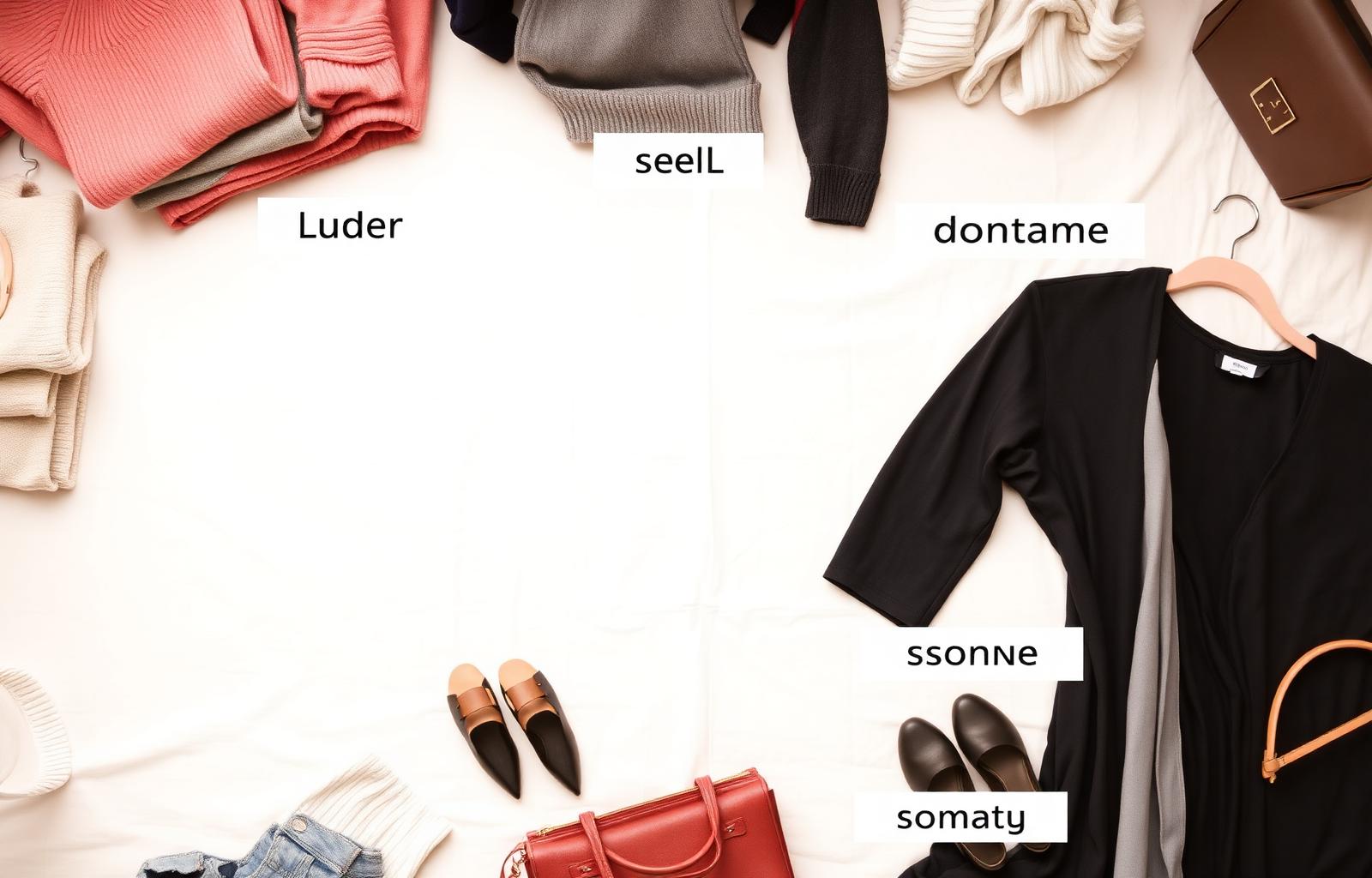
Create four piles:
Keep: items you still wear regularly. Sell: items in good condition with resale value. Give away: items that may not be worth selling but someone else would want. Donate or recycle: items with low demand, poor condition, or no clear buyer.
For a strong closet sale, prioritize pieces that are:
- Clean and presentable
- Lightly used or never worn
- Easy to photograph
- Recognizable from content
- Branded or style-specific
- Seasonally relevant
- Interesting enough for someone to ask about
Avoid listing damaged items unless the damage is clearly disclosed. Trust matters more than volume.
Step 3: Choose the Right Items to List First
Not every item deserves to be in your first closet sale. The first pieces should help people understand your style and create confidence.
Start with:
- Dresses
- Jackets
- Shoes
- Bags
- Sets
- Statement pieces
- Accessories
- PR gifts you never used
- Items followers have asked about before
- Pieces worn in photos, Reels, TikToks, trips, events, or shoots
The strongest closet sale items usually have a story. A basic white top may be harder to sell than “the white top from my Paris vlog” or “the blazer I wore in my launch photos.”
This is especially important for creators. People are not only buying fabric. They are buying taste, context, and trust.
Step 4: Photograph Each Piece Clearly
Photos make or break an online closet sale.

You do not need a professional studio, but you do need clear, honest images.
For each item, try to include:
- A main hero photo
- Front view
- Back view
- Close-up of fabric or detail
- Label or brand tag if relevant
- Any flaw or wear
- Optional styled photo or content screenshot
Use natural light when possible. Avoid heavy filters that change the real color. Crop the image so the item is easy to see on mobile.
If the item was worn in a post or video, include that context in the listing. A creator closet works best when the follower understands where they saw the piece and why it matters.
Step 5: Write a Clear Product Title
A good title is simple, searchable, and specific.
Weak title: “Cute dress”
Better title: “Baby Pink Strapless Mini Dress”
Even better title: “Baby Pink Strapless Mini Dress Worn in Summer Reel”
Use words people would actually search or recognize:
- Color
- Brand
- Category
- Size
- Occasion
- Style
- Content context
Examples:
- Black Tulle Party Dress
- Zara Linen Blazer, Size S
- Blue Midi Dress Worn Once
- Pink Sparkle Mini Dress From Birthday Shoot
- Vintage Leather Shoulder Bag
- PR Gift Skincare Set, Unopened
Do not overstuff the title. Save extra details for the description.
Step 6: Add the Story Behind the Piece
The story is what makes a closet sale feel personal.
A good listing description should answer:
- Where did you wear it?
- Why are you selling it?
- How does it fit?
- What condition is it in?
- What should the buyer know?
- Is there a brand, size, or material detail?
- Was it gifted, sponsored, used in content, or never worn?
Example:
I wore this dress once for a summer dinner Reel. It photographs beautifully, fits close at the waist, and has a structured bow at the back. Selling because I already used it for content and want it to go to someone who will wear it again.
That kind of description is more valuable than “good condition.”
Step 7: Price Your Closet Sale Items
Pricing should be simple, fair, and easy to understand.
A common approach:
- New with tags: 50–70% of retail
- Worn once: 40–60% of retail
- Lightly used: 25–50% of retail
- High-demand designer items: price based on demand and condition
- Fast clear-out items: price lower to move quickly
If you mainly want to clear space, price aggressively. If the item is rare, branded, or content-linked, you may be able to price higher.
For creators, price is not only based on the product. It is also influenced by trust, style, demand, and whether followers already recognize the piece.
Still, keep it reasonable. A closet sale should feel like access, not overpricing.
Step 8: Decide Whether Items Are for Sale, Giveaway, or Promo
Not every closet item needs to be sold.
Some items can be used to drive engagement.
You can organize items as:
For sale: buyer pays for the item. Free giveaway: follower can request or enter. Promo or brand gift: used for creator partnerships, brand activations, or audience engagement. Affiliate feature: item links to a brand or product page instead of being directly sold.
This gives creators more flexibility. A closet can be more than a resale page. It can become a creator-commerce hub.
Step 9: Create a Shoppable Closet Link
The biggest mistake people make is spreading items across too many disconnected posts, DMs, screenshots, and story highlights.
A better system is to create one public closet link.
A strong closet link should let people:
- Browse available pieces
- View product details
- Save items
- Follow the closet
- Request an item
- Contact the creator
- Share a product link
- Return later
This is where Loovly fits naturally. Instead of asking followers to reply to a Story, scroll through old posts, or DM about screenshots, creators can list pieces in a clean closet and share one link everywhere.
That link can go in:
- Instagram bio
- TikTok bio
- WhatsApp status
- Instagram Stories
- Broadcast channels
- DMs
- Email newsletters
- YouTube descriptions
- Blog posts
- Link-in-bio tools
The simpler the link, the easier the sale.
Turn this guide into your next drop.
Step 10: Promote Your Closet Sale
A closet sale does not work if nobody sees it.

Start with a simple launch plan.
Instagram Story
Post a short story:
Cleaning out my closet. I listed a few story-worn pieces, PR gifts, and lightly used favorites. Browse here.
Add the closet link.
TikTok or Reel
Create a quick closet cleanout video:
- Show the pile
- Pick 3 favorite items
- Explain why you are listing them
- Point people to your closet link
WhatsApp or DM
Send a simple message to people who have asked about your outfits before:
I finally listed a few pieces from my closet. You can browse them here.
Link-in-bio
Add a clear label:
- “Shop my closet”
- “Closet sale”
- “Closet cleanout”
- “Creator closet”
Use direct language. People should know exactly what they are clicking.
Step 11: Manage Buyer Interest Professionally
A closet sale can get messy if buyer interest comes through different channels.
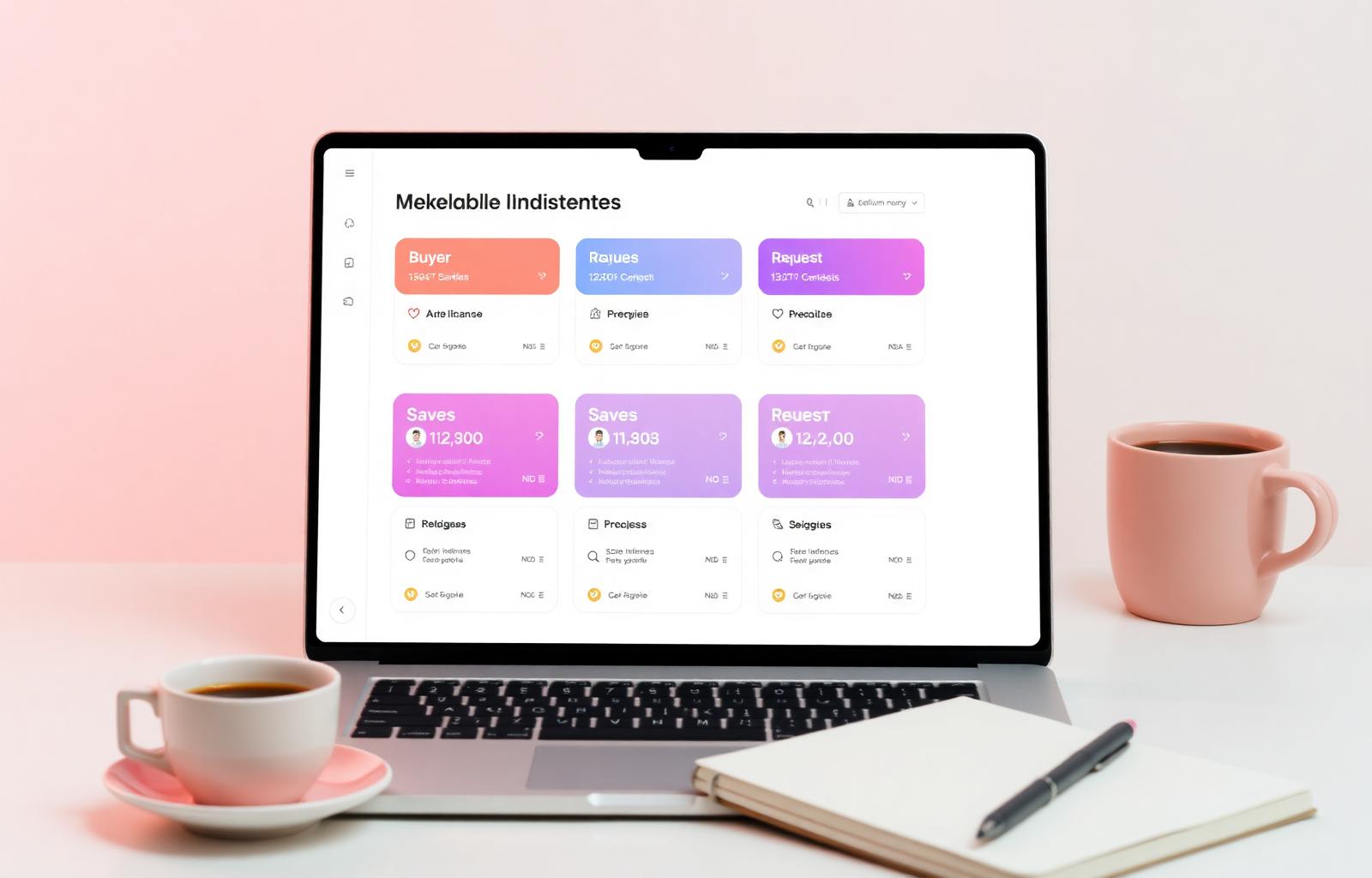
You need a system for:
- New requests
- Buyer name
- Preferred contact method
- WhatsApp or Instagram handle
- Product requested
- Buyer message
- Status: new, contacted, reserved, sold, archived
- Private notes
This matters because people lose interest quickly. If someone requests an item, respond while the intent is fresh.
Suggested response:
Thanks for your interest. This piece is still available. It is size S, lightly used, and ready to ship. Would you like me to reserve it for you?
Keep the experience simple and respectful.
Step 12: Build Trust With Buyers
Trust is critical in resale.
Buyers want to know:
- Is this the real creator?
- Is the item real?
- Is the condition accurate?
- How do I contact the seller?
- What happens after I request it?
- Is payment handled safely?
- Is shipping clear?
Even if checkout is handled separately, the listing should be transparent.
Always disclose:
- Condition
- Damage
- Fit notes
- Whether the item was gifted or sponsored
- Whether payment and shipping are arranged directly
- Whether the item is reserved or sold
If the platform supports creator verification, that helps followers know they are interacting with the genuine person behind the closet.
Step 13: Track What People Want
The hidden value of a closet sale is not only selling items. It is demand discovery.
Track:
- Which products get views
- Which products get saves
- Which products get buyer interest
- Which closet links get clicks
- Which posts drive traffic
- Which items sell fastest
- Which categories perform best
This data tells you what your audience actually wants.
For creators, that can influence future content, brand collaborations, affiliate products, styling decisions, and resale drops.
For brands, creator closet activity can reveal demand signals around product categories, aesthetics, sizes, colors, and content styles.
Step 14: Avoid Common Closet Sale Mistakes
Here are the most common mistakes:
Listing too many items at once
Start focused. A smaller, cleaner closet is better than a cluttered one.
Using poor photos
Dark, blurry, or filtered images reduce trust.
Writing vague descriptions
Buyers need size, condition, story, and contact clarity.
Selling only through DMs
DMs work, but they are hard to manage at scale.
Not marking items as sold
Nothing frustrates buyers more than requesting unavailable items.
Ignoring interested buyers
Respond quickly. Buyer intent fades.
Overpricing
Closet sale buyers expect access, value, or uniqueness.
Not sharing enough
One post is not enough. Promote the closet link repeatedly.
Step 15: Turn Your Closet Sale Into a Repeatable System
A closet sale does not need to be a one-time event.
You can create a repeatable rhythm:
- Monthly closet cleanout
- Seasonal closet refresh
- Post-trip closet drop
- PR gift cleanout
- Shoot wardrobe sale
- “Closet finds of the week”
- Giveaway drop
- Creator collaboration drop
This creates ongoing value. Followers learn that your closet is worth checking again.
The most successful closet sales are not random. They are clean, organized, and easy to revisit.
Best Platforms for Running a Closet Sale
There are several ways to run a closet sale.
Instagram Stories
Good for quick demand, but hard to organize.
Depop, Poshmark, or resale marketplaces
Good for resale discovery, but less creator-native and less connected to your audience.
Google Forms or spreadsheets
Simple but not professional for buyers.
Link-in-bio tools
Useful for navigation, but not built specifically for product listings or buyer interest.
Loovly
Loovly is built for creator closets. Creators can list pieces, share one closet link, collect buyer interest, promote products, and track demand from followers. It is especially useful if your closet sale is connected to your content, audience, PR gifts, brand collaborations, or social presence.
The best choice depends on your goals. If you only want to sell one or two generic items, a marketplace may be enough. If you want a creator-native closet that followers can browse, save, and request, a dedicated closet link is cleaner.
Closet Sale Checklist
Before launching, make sure you have:
- Chosen 5–15 strong items
- Cleaned and photographed each piece
- Added title, price, size, brand, condition, and story
- Disclosed flaws clearly
- Created a public closet link
- Tested the link on mobile
- Shared the closet link in bio
- Prepared a DM or WhatsApp response
- Promoted the sale through Stories or short-form video
- Checked buyer requests daily
- Marked items as reserved or sold
A closet sale should feel easy for the creator and obvious for the buyer.
Final Thoughts
A closet sale is no longer just about getting rid of extra clothes. Done well, it becomes a simple creator-commerce system.
You can clean out your closet, refresh your wardrobe, share your style, give products a second life, and learn what your audience wants.
The key is to make the experience easy: clear photos, honest descriptions, simple pricing, one shareable closet link, and a smooth way for buyers to request items.
If you are ready to turn your closet cleanout into a clean online closet sale, start with a few pieces, share your link, and let your followers browse.
Open your Loovly closet and start your first closet sale today.
Turn this guide into your next drop.
Frequently asked questions
What is a closet sale?⌄
A closet sale is a way to sell, give away, or rehome items from your personal wardrobe. Online closet sales usually include product photos, prices, descriptions, and a link people can use to browse or request items.
How do I run an online closet sale?⌄
Start by sorting your closet, choosing your best pieces, taking clear photos, writing honest descriptions, creating a public closet link, and sharing that link through Instagram, TikTok, WhatsApp, DMs, or your bio.
What is the difference between a closet cleanout and a closet sale?⌄
A closet cleanout is the process of sorting and removing items from your wardrobe. A closet sale is the selling or rehoming part of that process.
What should I sell in a closet sale?⌄
Sell clean, lightly used, never worn, branded, story-worn, or content-featured items. Prioritize items with clear photos, good condition, and a reason someone would want them.
How do I price items for a closet sale?⌄
Price based on retail value, condition, demand, brand, and how quickly you want the item to move. Worn-once items often sell for less than retail, while rare or highly requested pieces may hold more value.
How do creators run closet sales?⌄
Creators can list story-worn pieces, gifted items, PR packages, shoot outfits, affiliate products, or personal wardrobe pieces in a public closet and share one link with followers.
Is a closet sale only for fashion?⌄
No. Closet sales can include accessories, beauty products, bags, shoes, home items, PR gifts, collectibles, and other personal or creator-owned products where resale or rehoming makes sense.
What is the easiest way to start?⌄
List your first few pieces, create a public closet link, and share it with your audience. Start small, track what gets interest, and build from there.
Ready to host your own closet sale?
Set up your free Loovly closet in minutes — one link, real measurements, and a checkout your audience can actually use.