A closet sale used to mean a folding table on a friend's driveway. Today it's something very different: creators clearing out story-worn pieces, gifted samples, and lightly used items for the followers who already ask about them every week. This guide explains what a closet sale is, how online closet sales work, and why so many creators are running them through dedicated tools like Loovly instead of Instagram DMs.
What is a closet sale?
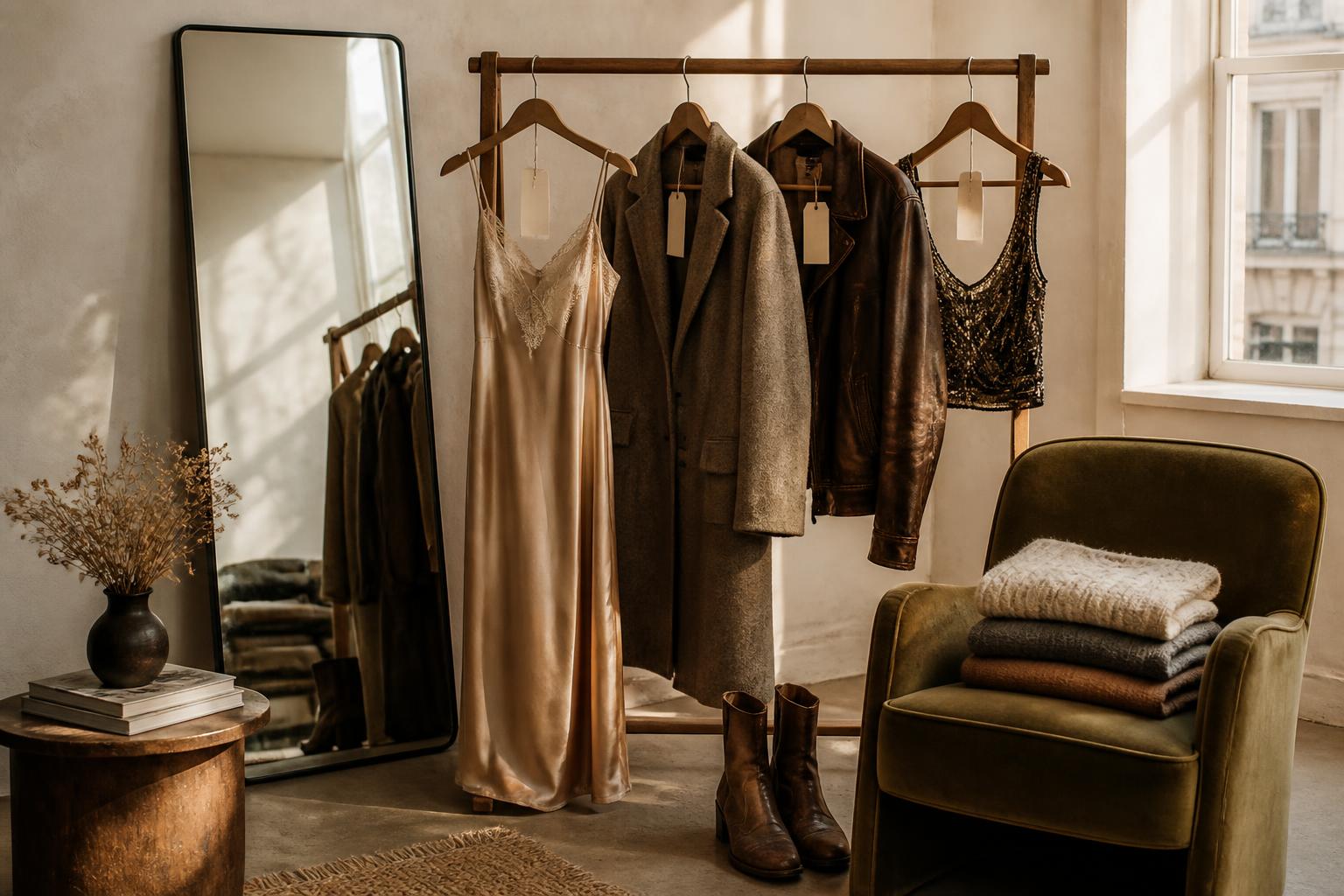
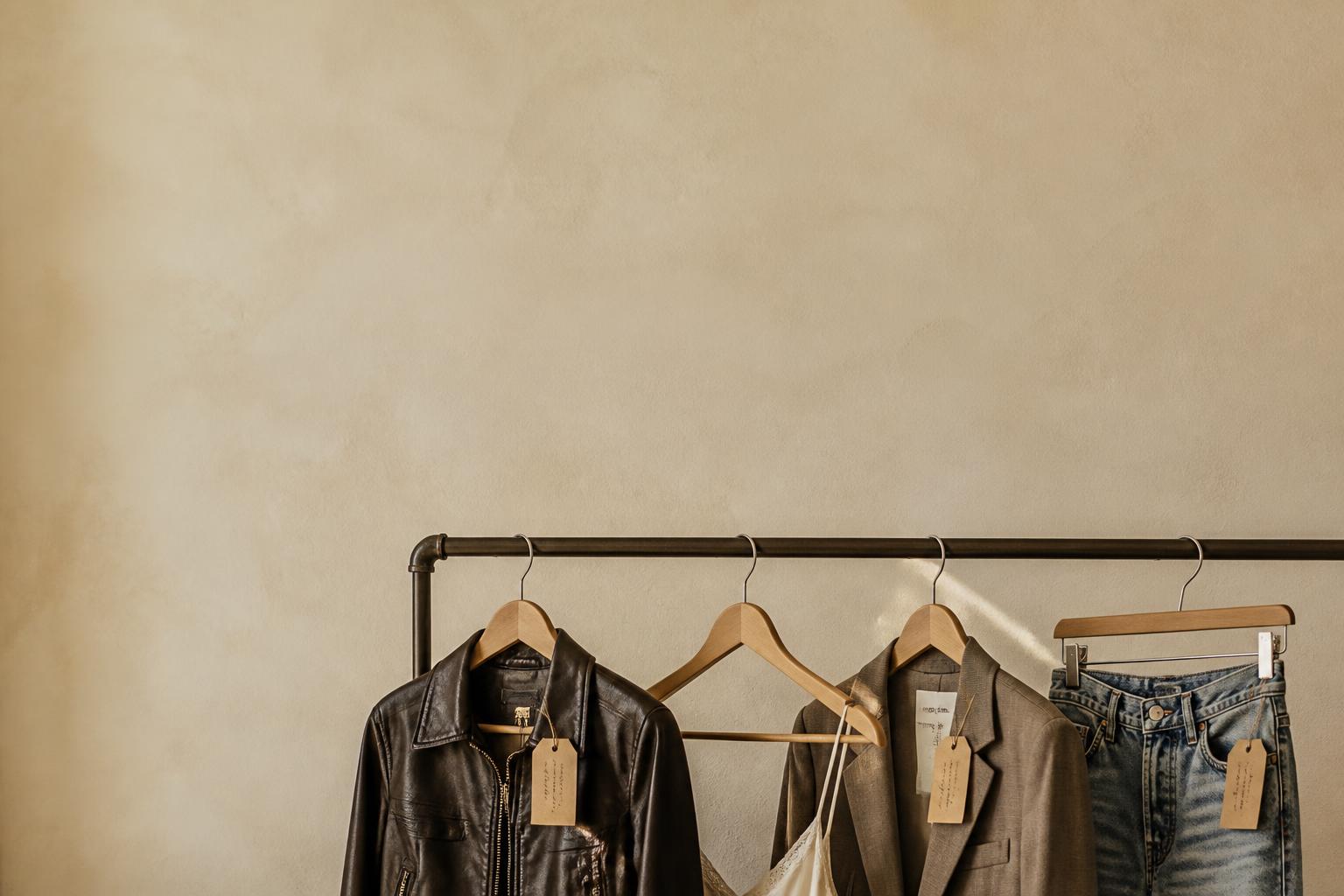
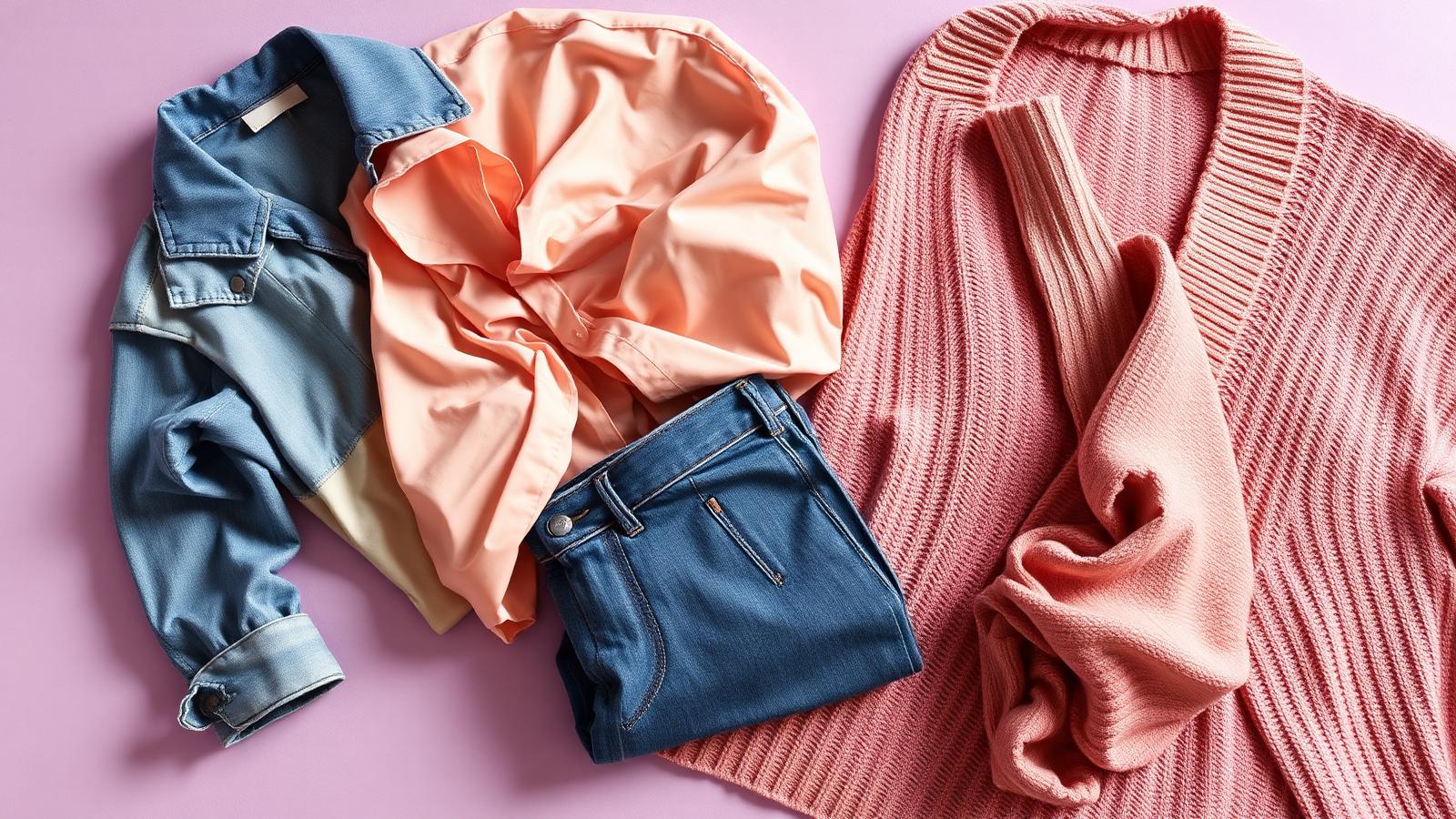
A closet sale is a curated sale of personal wardrobe pieces — usually run by one person rather than a brand. For creators, that often means items that have been worn in content, gifted by brands, or simply rotated out of regular use. The pieces still have life left, but they no longer fit the creator's current closet.
An online closet sale takes that same idea and moves it onto a public, shareable page so followers anywhere can browse, save, and submit interest without sliding into the creator's DMs.
How an online closet sale works
Most online closet sales follow the same five steps:
- The creator photographs each piece with consistent lighting and a clean background.
- Each item gets a listing with size, condition, brand, and a short story.
- The listings live on a single closet page the creator can share anywhere.
- Followers tap pieces they love and submit buyer interest.
- The creator follows up with serious buyers and arranges the next step.
Why closet sales are growing with creators
Creators have always had a quiet secondary economy. Followers DM asking about specific outfits. Brands send gifted product faster than it can be worn. Story-worn pieces pile up. A closet sale turns that backlog into something organized, sustainable, and aligned with the creator's personal brand.
It's also one of the most honest forms of creator commerce. Buyers know each piece was actually owned and worn by the person selling it.
Instagram closet sale vs a dedicated closet sale app
Selling directly through Instagram works — until it doesn't. DMs get buried. Comments compete with each other. A piece sells twice. Someone screenshots an old story and asks if it's still available.
A dedicated closet sale app keeps each piece on its own page with a stable link. Followers can browse the full closet, save items, and tell the creator they're interested in something specific. The creator gets a single dashboard instead of a scattered inbox.
What to include in a good closet sale listing
- Two or three clear photos, including any wear.
- Size, fit notes, and measurements when helpful.
- Brand, original retail context, and current condition.
- A short story: where the piece was worn, why it's leaving the closet.
- A fair, honest price.
How Loovly helps creators run a cleaner closet sale
Loovly is built specifically for creator-led closet sales. Each item becomes a real product page with photos, story context, and a buyer-interest button. The creator's closet has a shareable link that fits in an Instagram bio, story sticker, WhatsApp message, or TikTok caption. Followers can save pieces, follow the closet, and come back when something new drops.
There's no live checkout yet, which is intentional — Loovly focuses on the part that matters most to creators first: capturing serious buyer interest in one organized place. Story-worn fashion deserves a second life, and a clean closet sale is how that life starts.
Turn this guide into your next drop.
Frequently asked questions
Is a closet sale the same as a sample sale?⌄
No. A sample sale is run by a brand selling unreleased or excess stock. A closet sale is run by a person selling pieces from their own wardrobe.
Do creators need a warehouse or business setup?⌄
Not for a small closet sale. Most creators start with whatever they already own, ship from home, and grow only if the closet takes off.
What kind of pieces sell best in a creator closet sale?⌄
Pieces tied to recognizable content moments, gifted items from brands followers already love, and well-cared-for staples in popular sizes tend to move fastest.
Can I run a closet sale without showing my face?⌄
Yes. Many creators run closet sales focused on the pieces, the styling, and the stories — without rebuilding their personal brand around resale.
Ready to host your own closet sale?
Set up your free Loovly closet in minutes — one link, real measurements, and a checkout your audience can actually use.